Your mouth is home to far more than teeth and gums. Tiny communities of bacteria and other microbes live on your tongue, along your gumline, and in the spaces between your teeth. That might sound unsettling, but having microbes in your mouth is normal—and many are part of a healthy oral environment.
Understanding the oral microbiome can make familiar questions easier to answer. Why does plaque keep coming back after you brush? What do bacteria have to do with gum inflammation? And why can bad breath persist even when you use mouthwash?
In brief: The oral microbiome is the community of bacteria, fungi, viruses, and other microorganisms living in your mouth. These microbes are not all harmful. They interact with saliva, food, teeth, gums, and one another. Oral health depends partly on how these communities function, alongside everyday care such as brushing with fluoride toothpaste, cleaning between teeth, and regular dental visits.
Your mouth is an ecosystem, not a sterile space
Think of your mouth as a neighborhood with different habitats. Teeth offer hard surfaces where sticky bacterial communities can attach. The tongue has tiny grooves. Gums and cheeks provide different surfaces, while saliva carries nutrients, helps wash away debris, and supports the conditions in which microbes live.
Researchers have identified hundreds of different microbial species associated with the human mouth. A healthy mouth does not mean a mouth without bacteria. It means a setting in which normal microbial communities, the body’s defenses, and oral hygiene coexist without allowing harmful processes to gain ground.
This is why the popular idea of “killing all mouth bacteria” misses the point. You cannot—and do not need to—make your mouth permanently microbe-free. But you can disrupt plaque buildup and reduce the conditions that contribute to tooth decay and gum disease.
Why different parts of your mouth matter
The microbes that thrive on the back of your tongue may differ from those found around a tooth or below the gumline. Scientists call this pattern site specificity: local conditions shape which microbial communities are present. Research can describe these patterns, but a consumer microbiome test is not a substitute for a dentist’s examination.
What is dental plaque, and how does it form?
Dental plaque is a sticky biofilm of microbes that builds up on teeth. Biofilm is the term for a community of microorganisms living together within a protective matrix. It forms naturally, including after you brush. Trouble develops when plaque is allowed to accumulate, particularly in areas that are difficult to clean.
Some plaque-associated bacteria use sugars from food and drinks to produce acids. Repeated acid exposure can contribute to tooth decay. Plaque left near the gums can also promote inflammation, which may show up as tenderness, redness, or bleeding. Over time, plaque can harden into tartar, which cannot be removed with ordinary brushing at home.
The goal of brushing and cleaning between your teeth is therefore practical: regularly remove plaque before it has time to contribute to damage. It is not an attempt to erase every microbe from your mouth.
How are oral bacteria connected to your gums?
Your gums are part of the supportive tissue around each tooth. When plaque builds up along the gumline, it can trigger an inflammatory response. The early, often reversible stage is gingivitis, which may cause gums to bleed when brushing or flossing.
If inflammation progresses and deeper supporting tissues become affected, periodontitis can develop. This is more serious and can damage the tissues and bone that support your teeth. Professional dental evaluation and treatment matter; supplements, rinses, or a change in toothpaste are not substitutes.
Bleeding gums should not be treated as a sign that a new product is “working.” If bleeding is persistent, or you notice swelling, loose teeth, pain, or gum recession, arrange a dental visit.
What do mouth bacteria have to do with bad breath?
Bad breath—also called halitosis—has more than one possible cause. Certain oral bacteria break down proteins and food debris and release foul-smelling byproducts; in breath research, these are often measured as volatile sulfur compounds. Plaque, gum disease, debris on the tongue, and dry mouth can contribute. Foods, tobacco use, and some medical conditions can also play a role.
That explains why covering odor with a mint or cosmetic rinse may give only temporary relief. Addressing a persistent problem often requires looking at the source: plaque control, tongue hygiene where appropriate, saliva, and dental health.
Occasional morning breath is common. Breath that stays unpleasant despite a consistent routine deserves attention, particularly if it comes with bleeding gums, pain, or a noticeably dry mouth. A dentist can check for causes that a home product cannot diagnose.
What helps support a healthy oral environment?
You do not need an elaborate supplement routine to begin. Consistent basic care has stronger practical support than trying to “reset” your oral microbiome with an unverified product.
Brush thoroughly with fluoride toothpaste
Brush twice a day with fluoride toothpaste and give special attention to the gumline and back teeth. Fluoride helps protect teeth against decay, while brushing removes plaque from accessible surfaces.
Clean between your teeth every day
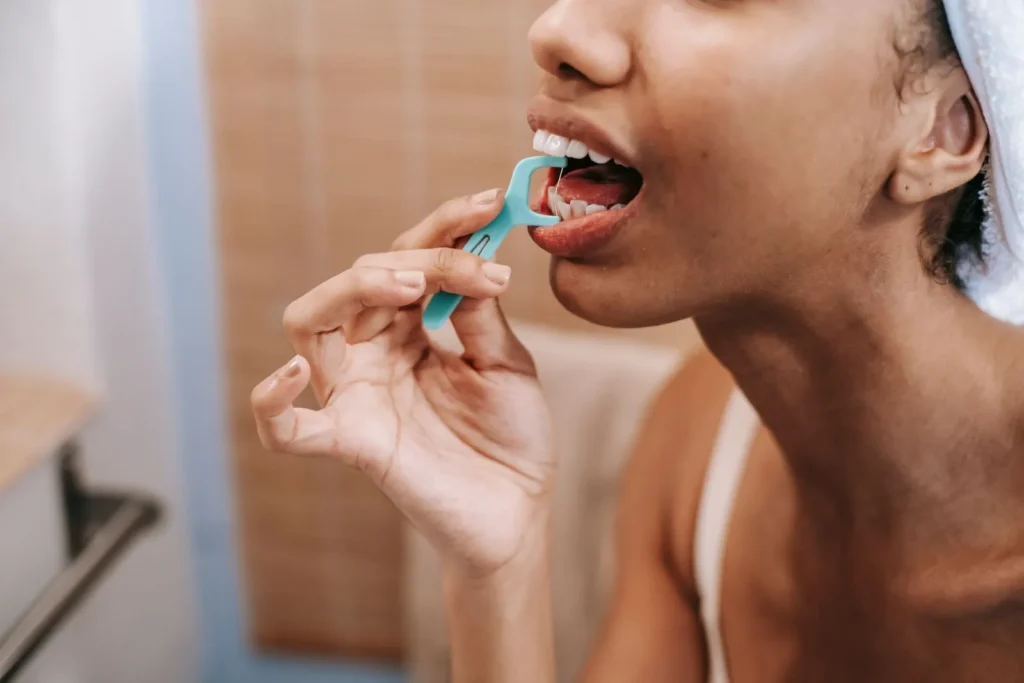
A toothbrush cannot reliably reach every space between teeth. Floss or another suitable interdental cleaner helps remove plaque in those areas. Ask your dental team which technique is appropriate for your teeth and gums.
Be mindful of frequent sugar exposure
Mouth bacteria interact with the foods and drinks you consume. Frequent sugary snacks or drinks create repeated opportunities for acid production. Reducing frequency and keeping a consistent cleaning routine can help protect enamel.
Pay attention to dry mouth
Saliva helps protect and cleanse the mouth. Dry mouth can be associated with medications, dehydration, mouth breathing, and other conditions. It may contribute to discomfort, bad breath, and dental problems. Persistent dryness is worth discussing with a dentist or healthcare professional.
Keep dental checkups part of the plan
Professional visits can identify cavities, gum inflammation, and tartar that at-home routines may miss. The appropriate schedule varies by individual risk and dental history.
Do oral probiotics change the microbiome?
Oral probiotics are products containing selected live microorganisms that are intended to influence conditions in the mouth. Researchers are exploring whether specific strains, doses, and delivery methods may affect plaque, breath, or gum-related outcomes.
Here is the distinction to keep in mind: research involving one probiotic strain does not prove that every oral probiotic—or any particular branded blend—has the same effect. Outcomes can vary by strain, population, dose, study duration, and what researchers measured. These products should be considered separately from established oral hygiene and professional care.
We will look at that research question directly in a separate guide to oral probiotics: what human studies suggest—and what they don’t.
Can the oral microbiome affect the rest of the body?
Researchers study connections between oral microbial communities, inflammation, and conditions elsewhere in the body. These associations are scientifically important, but an association does not necessarily mean that particular mouth bacteria caused a disease—or that changing them with a supplement will prevent or treat it.
The immediate takeaway for daily life is simpler: caring for your teeth and gums matters in its own right. You do not need claims about distant health outcomes to make oral hygiene worthwhile.
When should you see a dentist?
Book an examination if you have ongoing bleeding or swollen gums, persistent bad breath, pain, loose teeth, or changes in your mouth that do not resolve. Severe swelling, fever with dental pain, or difficulty swallowing or breathing warrants urgent medical assessment. Routine prevention is valuable, but persistent symptoms should not be self-diagnosed as a microbiome “imbalance.”
Frequently Asked Questions
Is the oral microbiome the same as plaque?
No. The oral microbiome includes microorganisms throughout the mouth. Plaque is one kind of microbial biofilm that forms on tooth surfaces.
Are all bacteria in your mouth bad?
No. Many microbes are normal residents, and some can help limit the growth of other organisms. Problems depend on the microbial community, its environment, and oral-health conditions—not simply the presence of bacteria.
Does mouthwash fix an imbalanced oral microbiome?
Not necessarily. Different rinses serve different purposes. Some mainly mask odor; some have therapeutic ingredients for specified uses. Mouthwash does not replace brushing, interdental cleaning, or professional evaluation of persistent symptoms.
Can probiotics replace brushing and flossing?
No. Even if future research establishes useful roles for particular probiotic strains, they do not substitute for physically removing plaque or receiving dental care when needed.
Why does my breath smell bad even after brushing?
Possible contributors include tongue coating, plaque between teeth, gum problems, dry mouth, and non-dental factors. Persistent bad breath merits a dental assessment rather than relying only on breath-freshening products.
The Takeaway
Your oral microbiome is a normal part of life, not an enemy you need to eliminate. The useful goal is to support a healthier oral environment through regular plaque removal, fluoride toothpaste, attention to dry mouth, and dental care when symptoms appear.
If your main concern is odor, we will cover bad breath in more depth—what helps, what doesn’t and when to see a dentist—in a separate guide. If you’re curious about supplement research, a separate guide to the oral probiotics evidence will help you evaluate what human studies actually show—without assuming that a product is necessary for everyone.
Sources
- Exploring the Mouth’s Microbial Wonders — National Institute of Dental and Craniofacial Research (NIDCR), 2024
- The World Inside Your Mouth — NIH News in Health, March 2026
- Oral Hygiene — NIDCR
- Periodontal (Gum) Disease — NIDCR
- Baker JL, et al. The oral microbiome: diversity, biogeography and human health — Nature Reviews Microbiology, 2024 (PubMed)
- Bad Breath — MouthHealthy, American Dental Association
- Mouthrinse (Mouthwash) — American Dental Association
- Xerostomia (Dry Mouth) — American Dental Association
- Efficacy of probiotics in the management of halitosis: a systematic review and meta-analysis — BMJ Open, 2022 (PubMed)
This article is for general information and is not medical or dental advice. See a dentist or other qualified healthcare professional about persistent symptoms such as bleeding gums, ongoing bad breath, pain or dry mouth, and before starting a supplement, especially if you are pregnant, nursing, managing a health condition or taking medication.

Mary writes about energy, longevity and everyday wellness habits — with an honest eye on what the evidence actually says. Her approach is simple: habits first, supplements second, and no promises she can't back up.